














Everything you need for legal matters is here.
“Established in 2007, Musti Law Firm has built a solid reputation based on integrity, expertise, and a deep commitment to our clients. For nearly two decades, we have been dedicated to standing by your side, providing personalized legal solutions to meet your unique needs. Whether you require immediate assistance or long-term legal strategy, you can reach our team instantly via WhatsApp or through our dedicated online support form.
We believe that knowledge is power. Our platform allows you to gain comprehensive insights into occupational accidents and personal injury law through a vast library of informative articles. We invite you to explore these resources and learn from the real-life experiences of individuals who have successfully navigated similar legal challenges. Understanding your rights is the first step toward justice.

Being good is easy; what’s difficult is being just.
victor hugo
Let our experienced professionals help you navigate the complexities of your legal journey. We understand that every case represents a life-changing event, and we are here to provide the guidance you deserve. Together, we can map out your new path and secure your future, starting right now.“

Have You Been Involved in a Car Accident? Professional Legal Support in London
A car accident can happen in a split second, but its impact can last a lifetime. Whether it was a minor collision at a roundabout or a serious crash on the motorway, the aftermath is often overwhelming. Beyond the physical pain, you are suddenly faced with medical bills, vehicle repair costs, and the stress of missing work.
At Musti Low Office we understand that after an accident, your priority should be recovery—not fighting with insurance companies. That is why our dedicated team in Central London is here to take the legal burden off your shoulders.
Why You Should Seek Legal Help Immediately
In the UK, the law provides clear protections for those injured due to someone else’s negligence. However, navigating the claims process alone can be complex. Claiming compensation is not just about the damage to your car; it’s about securing your future. We help you recover costs for:
- Medical Expenses: From emergency treatments to long-term physiotherapy.
- Loss of Earnings: Compensation for the days, weeks, or months you couldn’t work.
- Pain and Suffering: Acknowledging the physical and emotional trauma you’ve endured.
- Future Care: Ensuring you have the resources needed if your injuries require ongoing support.
Our “No Win, No Fee” Promise
The biggest barrier to seeking justice is often the fear of legal fees. We have removed that barrier. We operate on a strict No Win, No Fee basis.
- No Upfront Costs: You don’t pay a penny to start your claim.
- No Hidden Charges: We cover the costs of medical reports and expert evidence.
- No Risk: If we don’t win your case, you don’t owe us any legal fees.
Proven Success in Thousands of Cases
With thousands of successful claims handled from our London office, we have seen it all. We know the tactics insurance companies use to minimize payouts, and we know how to counter them. Our passionate team doesn’t just process paperwork; we fight for the maximum compensation you deserve.
Contact Us Today
Don’t let a car accident derail your life. Whether it was a car crash, a motorcycle accident, or a pedestrian injury, we are ready to listen.
Your journey to recovery starts with a single conversation. Contact our London team today for a free, no-obligation consultation. Let us help you put the pieces back together.

Injured at Work? Protect Your Rights with Expert Legal Support in London
Every worker deserves a safe environment. However, thousands of people in the UK suffer from workplace injuries every year due to inadequate safety measures, faulty equipment, or lack of proper training. Whether you work on a busy construction site, in a warehouse, or in an office, an accident at work can change your life in an instant.
If you have been injured while performing your duties, it is not just “bad luck”—it is a legal matter. At Musti Law Office , our London-based team specializes in workplace injury claims, ensuring that employees are not left to suffer the financial and physical consequences of their employer’s negligence.
Common Workplace Accidents We Handle
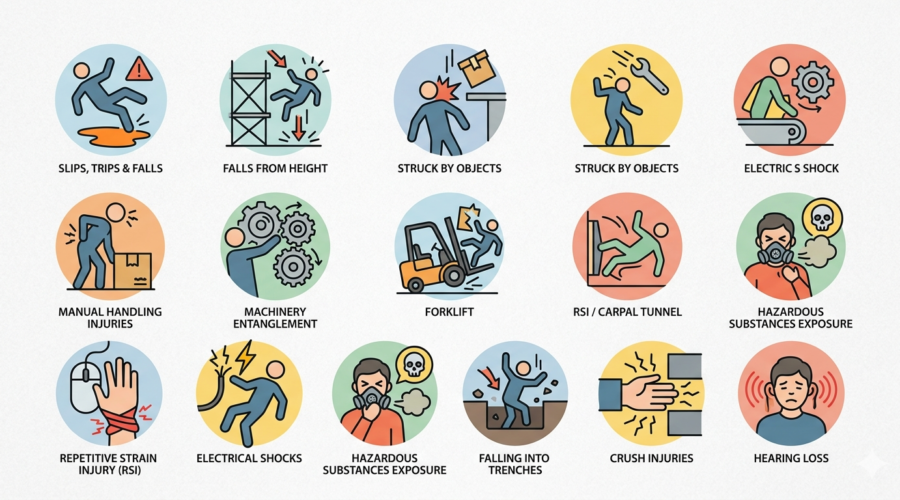
No matter how your injury occurred, if your employer failed in their duty of care, you likely have a claim. We successfully manage cases involving:
- Slips, Trips, and Falls: Often caused by wet floors or cluttered walkways.
- Falls from Height: Common in construction or maintenance work.
- Faulty Machinery: Injuries caused by poorly maintained tools or equipment.
- Manual Handling: Back and muscle injuries from lifting heavy objects without training.
- Falling Objects: Injuries from unsecured items in warehouses or sites.
“Will I Lose My Job if I Claim?”
This is the most common fear workers have. It is important to know that UK law protects you. It is illegal for an employer to dismiss you or treat you differently because you have made a legitimate claim for a workplace injury. Furthermore, your compensation is paid by your employer’s Insurance Company, not directly from your employer’s pocket.
Why Choose Mutsi Low Office?
From our office in Central London, we have helped thousands of workers get their lives back on track. We fight to secure:
- Full Compensation for your physical pain and emotional distress.
- Recovery of Lost Wages for the time you have been unable to work.
- Private Medical Treatment and rehabilitation costs.
- Future Financial Security if your injury prevents you from returning to your previous role.
Our No Win, No Fee Guarantee
Financial stress should not prevent you from seeking justice. We operate on a No Win, No Fee basis. You don’t pay anything upfront, and if we don’t win your case, you won’t owe us a penny in legal fees. We take the risk so you can focus on your recovery.
Take the First Step Today
The law sets time limits for workplace injury claims, so it is vital to act quickly. Our passionate and experienced team is ready to listen to your story and provide a free, confidential assessment of your case.
Contact our London office today. You’ve worked hard for them; now let us work hard for you.

Accidents in Public Places: Holding Local Authorities Accountable
When you walk down a street in London, visit a local park, or use a public library, you have a legal right to feel safe. Local authorities (councils) have a statutory duty under the Highways Act 1980 to maintain public roads and pavements to a safe standard. However, when councils fail to perform regular inspections or ignore reported hazards, innocent people often suffer the consequences.
At Musti Law Office, we believe that if a public body fails in its duty to protect you, they should be held responsible. Our London-based team is highly experienced in navigating the complexities of claims against local councils.
Common Claims Against Local Authorities
Many people are unaware that they can claim compensation for accidents occurring in public spaces. Common examples include:
- Pavement Trip Hazards: Uneven paving slabs, protruding tree roots, or missing utility covers that cause falls.
- Potholes: Deep road defects that cause injury to cyclists, motorcyclists, or pedestrians.
- Inadequate Street Lighting: Poorly lit areas that contribute to accidents or obscure hazards.
- Poorly Maintained Parks and Playgrounds: Broken equipment or hazardous surfaces in public recreational areas.
- Ice and Snow Negligence: Failure to grit primary routes during freezing conditions according to established safety protocols.
The “1-Inch” Rule and Evidence
To win a claim against a council for a trip or fall, the defect usually needs to meet a certain criteria—typically a height difference of at least 25mm (1 inch). Because councils often repair defects quickly once a claim is mentioned, gathering evidence immediately is vital:
- Take Photographs: Capture the defect with a ruler or a coin next to it to show the scale.
- Gather Witnesses: If anyone saw the accident, take their contact details.
- Report It: Formally report the hazard to the local council as soon as possible.
- Seek Medical Attention: Ensure your injuries are documented by a GP or at an A&E department.
Why Claiming Against the Council is Different
Claiming against a local authority can be more challenging than a standard accident claim. Councils often rely on Section 58 of the Highways Act, claiming they have a “reasonable” inspection system in place. This is why you need expert legal representation. At Musti Law Office , we know how to challenge council records, audit their inspection logs, and prove where they have failed in their duty of care.
Our No Win, No Fee Commitment
We understand that an injury can lead to unexpected financial strain. We offer a No Win, No Fee service for all public liability claims.
- Zero Upfront Costs: We start your investigation without any initial payment.
- Maximum Protection: If the case is not successful, you don’t pay our legal fees.
- Comprehensive Recovery: We fight for compensation that covers your pain, suffering, medical costs, and any lost income.
Start Your Claim Today
If you have been injured due to a council’s negligence in London or across the UK, don’t suffer in silence. Local authorities have insurance specifically for these situations, and seeking compensation helps ensure that the hazard is fixed, protecting others from similar accidents.
Contact Musti Law Office today for a free, no-obligation assessment of your case. Let us help you hold the right people accountable.
and more…

Beyond Accidents: Understanding Your Legal Rights in the UK
At Musti Lav Office our expertise extends far beyond road and workplace accidents. The UK legal system provides a robust framework of protections for citizens and residents across all aspects of daily life. Whether you are dealing with a professional error, a consumer dispute, or a breach of your civil liberties, you have the right to seek justice and compensation.
Below is a comprehensive guide to the additional legal areas where we provide expert support and representation.
1. Medical Negligence: When Care Falls Short
The NHS and private healthcare providers generally offer excellent care, but when mistakes happen, the consequences can be devastating. Medical negligence (clinical negligence) occurs when a healthcare professional breaches their duty of care.
- Misdiagnosis or Delayed Diagnosis: Especially critical in cases of cancer or cardiac conditions.
- Surgical Errors: Procedures performed on the wrong site or complications from avoidable mistakes.
- Birth Injuries: Negligence that leads to conditions like Cerebral Palsy or maternal injuries.
- GP & Dental Negligence: Errors in primary care that lead to worsening health conditions.
2. Professional Negligence: Holding Experts Accountable
When you hire a professional—be it a solicitor, an accountant, an architect, or a surveyor—you pay for their expertise. If they provide substandard advice or fail in their professional duties, resulting in financial loss for you, you can claim compensation.
- Solicitor Negligence: Missing limitation dates or providing incorrect legal advice.
- Surveyor Errors: Failing to identify structural issues (like rising damp or subsidence) in a property you purchased.
3. Consumer Rights & Faulty Products
Under the Consumer Rights Act 2015, every product you buy must be of satisfactory quality, fit for purpose, and as described.
- Product Liability: If a faulty electronic device causes a fire, or a contaminated food product leads to illness, you are entitled to damages from the manufacturer or retailer.
- Package Travel Claims: If your holiday did not match the description provided by the tour operator or if you suffered food poisoning at an all-inclusive resort.
4. Housing Disrepair: Rights for Tenants
Every tenant in the UK has the right to live in a home that is safe and fit for human habitation. If you live in social housing or a private rental and your landlord has ignored repair requests, you may have a claim.
- Damp and Mould: Persistent issues that affect your respiratory health.
- Structural Defects: Leaking roofs, broken windows, or unsafe electrical wiring.
- No Heating or Hot Water: Failure to provide basic essential services.
5. Data Breaches & Privacy Rights
In the digital age, your personal data is protected by the UK GDPR and the Data Protection Act 2018.
- If a bank, hospital, or employer leaks your private information (due to a cyberattack or human error), and this causes you distress or financial loss, you have a legal right to compensation for the breach of your privacy.
6. Criminal Injuries Compensation (CICA)
If you have been a victim of a violent crime, you don’t need to sue the attacker to get help. The Criminal Injuries Compensation Authority (CICA) is a government-funded scheme that pays out to victims of:
- Physical assaults and muggings.
- Sexual abuse (including historic cases).
- Psychological trauma resulting from being a victim of a crime.
7. Discrimination and Equality Rights
The Equality Act 2010 protects you from being treated unfairly because of “protected characteristics.” If you have been discriminated against in a public place, at work, or by a service provider, we can help.
- Discrimination based on: Race, religion, disability, age, gender, or sexual orientation.
Why Trust Musti Law Office with Your Rights?
The UK legal landscape is vast, and many people lose out on significant compensation simply because they don’t realize their situation qualifies as a legal claim.
- Comprehensive Knowledge: We stay updated on the latest legislative changes in Westminster to protect your interests.
- No Win, No Fee: For the vast majority of these “And More” categories, we still offer our famous No Win, No Fee guarantee.
- Bespoke Support: We treat every case with the individual attention it deserves, whether it’s a small consumer dispute or a high-value medical negligence claim.
Your rights are not just words on paper; they are tools for justice. If you feel you have been wronged in any of the areas above—or even in a situation not listed—contact our London office for a free, confidential discussion.
Let’s Resolve It Before Justice: Your Path to Fairness and Compensation
Legal disputes can be intimidating. Whether you are facing a massive insurance corporation, a negligent employer, or a local authority, it often feels like a “David vs. Goliath” battle. At UK Legal Helpdesk, we believe that no one should be denied justice simply because they fear the legal process. Our mission is to level the playing field and ensure that your voice is heard where it matters most: before the law.
When we say “Let’s resolve it before justice,” we mean more than just going to court. We mean securing a settlement that truly reflects the harm you have suffered, using the full power of the UK legal system to protect your future.
Why Taking Legal Action is the Right Choice
Many people hesitate to pursue a claim, worrying about the complexity or the impact on their reputation. However, seeking justice serves two vital purposes:
- Restoration: It provides the financial means to cover your medical bills, replace lost income, and support your recovery.
- Prevention: By holding negligent parties accountable, you force them to improve their safety standards, preventing the same tragedy from happening to someone else.
Our Strategy: Precision, Evidence, and Persistence
Resolving a case “before justice” requires a meticulous approach. We don’t just fill out forms; we build a fortress around your claim.
- Expert Testimony: We collaborate with top-tier medical experts and accident reconstruction specialists to prove exactly what happened.
- Rigorous Negotiation: Most cases are resolved before reaching a full trial because we present evidence so compelling that the opposing side has no choice but to offer a fair settlement.
- Court Readiness: While we aim for efficient resolutions, we are always prepared to represent you in court. If the other party refuses to be reasonable, we have the skills and the courage to take the fight to the judge.
The Power of “No Win, No Fee”
We believe that justice should be accessible to everyone, regardless of their bank balance. Our No Win, No Fee guarantee is our commitment to you. It means:
- Access to Top Lawyers: You get high-quality legal representation without paying a penny upfront.
- Aligned Interests: We are as invested in your success as you are. If you don’t win, we don’t get paid.
- Total Transparency: No hidden costs, no surprise invoices. Just honest, hard-hitting legal support.
No Matter the Case, We Stand By You
From complex medical negligence and severe workplace injuries to data breaches and public liability, “resolving it before justice” is the standard we apply to every client. Our London office is a hub of dedicated professionals who treat your case with the urgency and respect it deserves.
Don’t Wait for Justice to Find You—Go Get It
The legal system has strict time limits (statutes of limitations). Every day you wait is a day that evidence can fade or deadlines can approach. Taking the first step is often the hardest, but you don’t have to walk this path alone.
Let’s resolve your struggle today. Contact UK Legal Helpdesk for a free, confidential consultation. Let the law work for you.
Our Process: Your Journey to Justice, Step-by-Step
At UK Legal Helpdesk, we believe that the legal process should be transparent, stress-free, and straightforward. From the moment you contact our London office to the day you receive your compensation, we handle the complexities so you can focus on your recovery.
Here is how we work together to secure the justice you deserve:
Step 1: Free Initial Consultation & Case Assessment
Everything begins with a conversation. You can contact us via phone, WhatsApp, or our online form for a free, no-obligation consultation.
- We listen to your story and evaluate the details of your accident or injury.
- Our experts determine the strength of your case and advise you on the best path forward.
- If we believe you have a valid claim, we offer to represent you on a No Win, No Fee basis immediately.
Step 2: Evidence Gathering & Investigation
Once you decide to move forward, our dedicated legal team starts building your “fortress.”
- We collect police reports, CCTV footage, and witness statements.
- We handle all correspondence with the opposing party and their insurance companies.
- If necessary, we arrange for independent medical experts to assess your injuries, ensuring the full physical and psychological impact is documented.
Step 3: Medical Assessment & Financial Calculations
To get you the maximum compensation, we need to know the true “cost” of your injury.
- We calculate your special damages, which include lost wages, medical bills, travel expenses, and future care needs.
- We determine your general damages for the pain, suffering, and loss of amenity you have experienced.
Step 4: Negotiation & Settlement
This is where our expertise makes the difference. We present our evidence to the defendant (the person or company at fault) and their insurers.
- Most claims are settled through rigorous negotiation without ever needing to go to court.
- We keep you informed of every offer made. Our role is to advise you whether an offer is fair or if we should push for more. We never settle for less than you deserve.
Step 5: Final Resolution & Payout
Once a settlement is agreed upon, we finalize the legal paperwork.
- The compensation is paid, and we ensure you receive your funds as quickly as possible.
- Because we work on a No Win, No Fee basis, our success fee is simply deducted from the final amount. If we don’t win, you don’t pay us a penny.
Why Our Process Works
- Zero Stress: We deal with the paperwork, the insurers, and the lawyers.
- Expert Support: You have a dedicated professional by your side at every stage.
- Total Transparency: No hidden steps, no legal jargon—just clear communication.
Are you ready to take the first step? Contact our London team today and let’s start the journey toward your compensation together.